
Boost Reading Engagement by Turning Worksheets Into Think Sheets

Sometimes, just one idea can totally change how we view classroom practices we've been using forever. Not too long ago, I stumbled upon a quote that did just that — it reminded me that worksheets often push students to do the least amount of thinking possible.
That really made me stop and think. It also got me pondering what we actually want students to do while reading: think, notice, question, wonder, infer, connect, and reflect.
If we want students to be active, engaged, and strategic readers, then the tools we give them need to promote active, engaged, strategic thinking. That's where think sheets come into play.
Think sheets are straightforward, adaptable, and super effective. Once you start using them, you might never see worksheets the same way again.
Let's dive into how think sheets work — and how they help make students’ thinking visible.
What's a Think Sheet Anyway?
A think sheet isn't just a worksheet with a fancy name. 🎯 It's a tool!
It's a tool that:
Gets you thinking instead of just searching for answers
Helps students jot down and process what they notice while reading
Makes their thoughts clear to both themselves and the teacher
Supports chats, reflection, and understanding
You can use think sheets during solo reading, guided reading, read-alouds, or in strategy groups. They’re open-ended on purpose — because real understanding is open-ended.
Why Think Sheets Are Better Than Worksheets
Worksheets focus on getting the right or wrong answers.

🎯Think sheets focus on:
Noticing
Wondering
Questioning
Connecting
Visualizing
Inferring
Reflecting
These thinking skills are key to really understanding things.
Think sheets help students:
✓ Take their time
✓ Keep track of what they understand
✓ Reread with a goal
✓ Jot down their changing thoughts
✓ Get ready for meaningful chats
✓ Become more independent
Plus, they let teachers see the quality of how students think, not just if their answers are right.
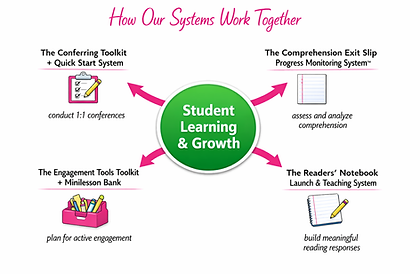
If you’re looking for low‑prep, high‑impact ways to help students stay focused, think deeply, and stay actively engaged during reading, you’ll love The Engagement Tools Toolkit™ + Minilesson Bank including a set of Think Sheets ready to print and use.

How to Make Your Own Think Sheet
Think sheets are super easy to put together.
Here’s how you can get started:
1. Pick a Thinking Focus
Choose a cognitive skill you want students to work on:
What did you notice?
What are you curious about?
What confused you?
What connections did you make?
What predictions do you have?
Each of these questions can be its own think sheet.
2. Use Open-Ended Prompts
Think sheets should encourage real thinking, not just quick answers.
Try using prompts like:
“One idea that stuck with me is…”
“A question I still have is…”
“Something I want to explore more is…”
“This reminds me of…”
“I think the author included ___ because…”
Open prompts = open minds.
3. Leave Space for Students to Think
White space is your buddy.
Students need room to:
Jot down notes
Sketch ideas
Map out their thoughts
Record what confuses them
Capture details
Track inferences
The design should invite thinking, not limit it.
4. Use Think Sheets While Reading
This is where the magic happens.
Think sheets are powerful when they’re:
Added to reader’s notebooks
Used as jot‑spots while reading
Reviewed during conferences
Part of small‑group lessons
Anchors for teaching strategies
They should support the reading process, not just the reading product.
Try These Prompts Tomorrow
Here are some ideas you can use right away:
“What caught you off guard today?”
“What questions popped up while you were reading?”
“Did you notice any patterns?”
“What do you think will happen next?”
“What does the author want you to focus on?”
“What’s one idea that’s still on your mind?”
These prompts get you thinking in ways that boost understanding.
Tips for Using Think Sheets in Your Classroom
Give think sheets a try with these easy ideas:
Show how you think things through before asking students to jot down their thoughts
Use them with sticky notes for quick ideas
Keep them in reader’s notebooks or portfolios
Start with one prompt so it’s not too much at once
Eventually, think sheets will just be a natural part of your reading routine.
Worksheets Test Answers.
🎯Think Sheets Reveal Thinking.
If we want to help students become thoughtful, strategic readers who really understand what they read, we need tools that encourage this kind of thinking.
Think sheets don't just pile on more work — they bring meaning to reading time. And your students will definitely notice the difference.
⭐ Want Simple, Ready‑to‑Use Tools to Boost Reading Engagement?
If you’re looking for low‑prep, high‑impact ways to help students stay focused, think deeply, and stay actively engaged during reading, you’ll love The Engagement Tools Toolkit™ + Minilesson Bank
It gives you:
✨ 10+ student‑friendly engagement tools
✨ 10+ minilessons to use with each tool
✨ teacher guides to support modeling
✨ printable pages students can use right away
✨ a complete system that builds independence and thinking
Perfect for when you want engagement without overwhelm.
Until next time...


Comments